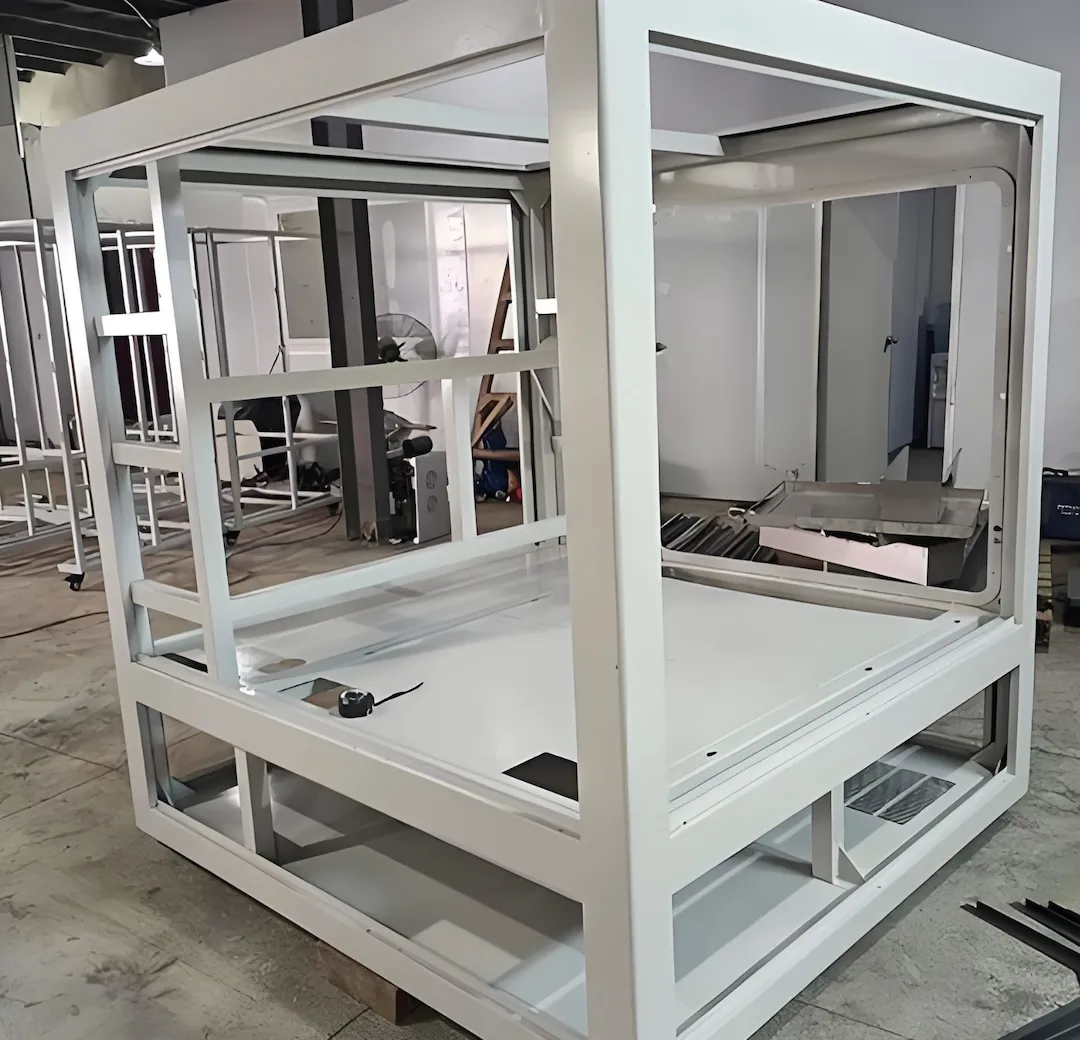
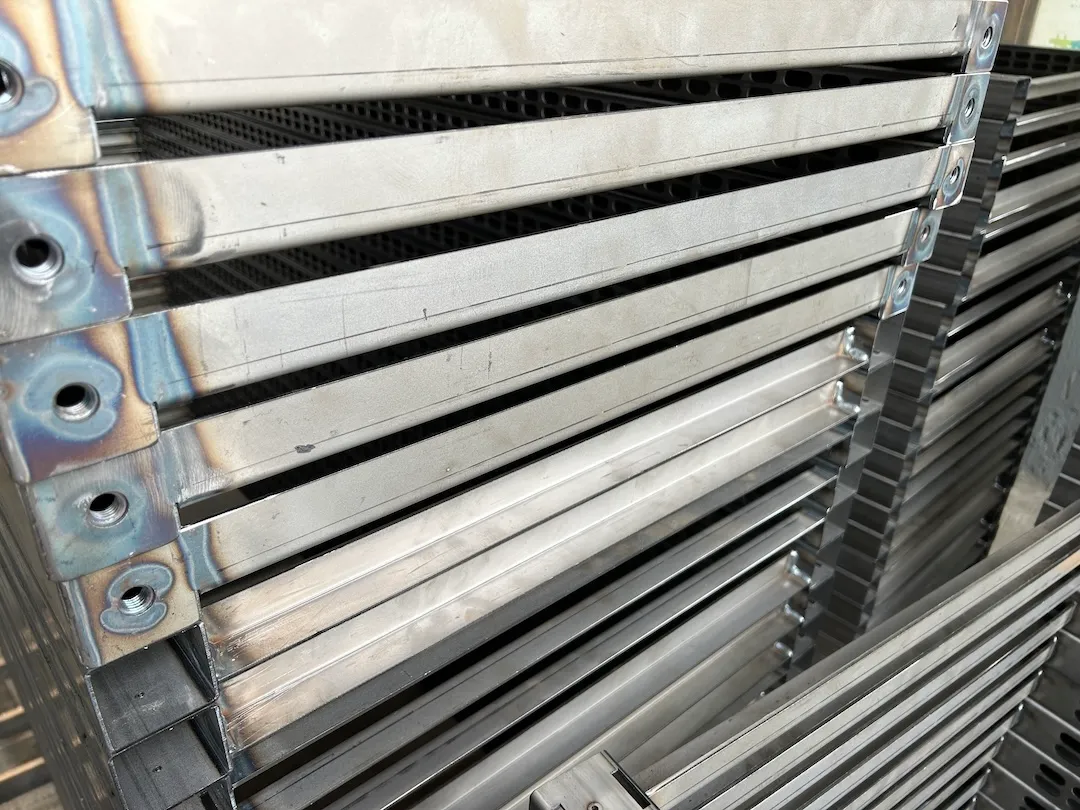
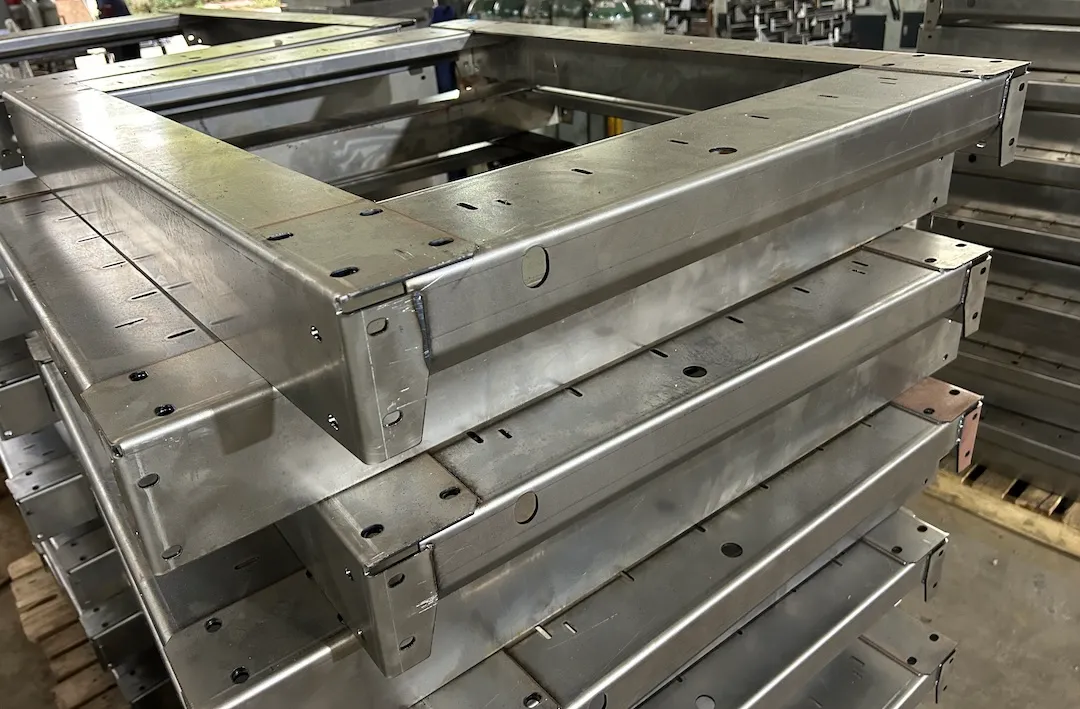
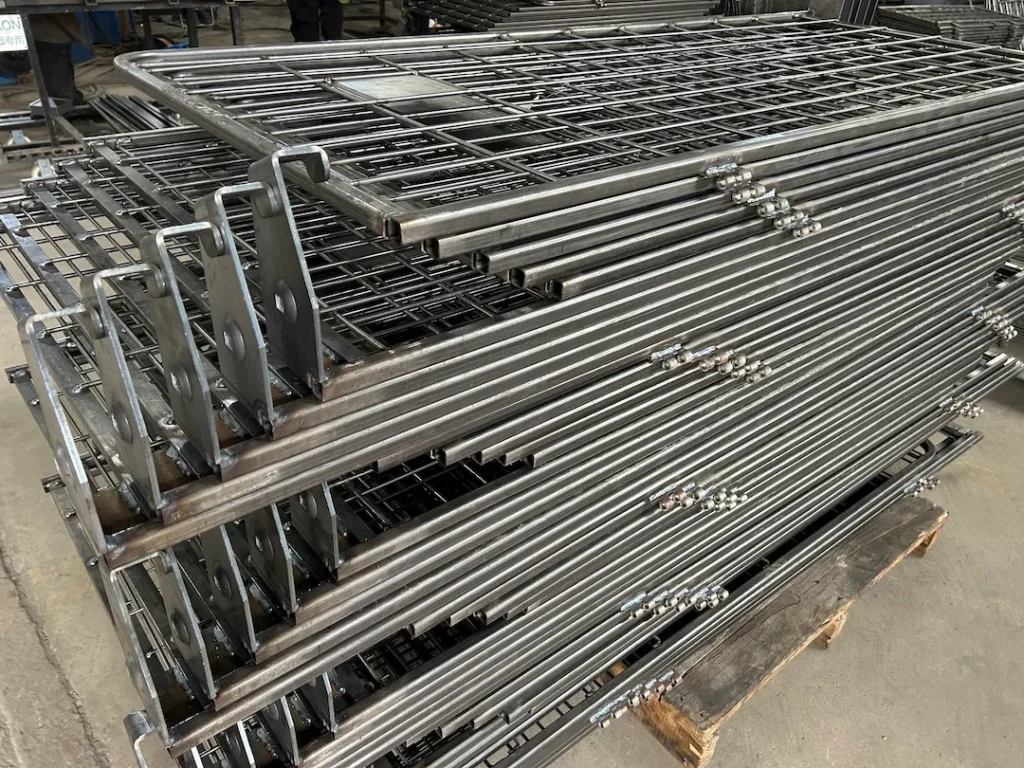
Able Hardware ist eine in China ansässige Fabrik zum Schweißen von Rohrrahmen, die OEM/ODM-Käufer mit wiederholbaren Rohrstrukturen und exporttauglichen Inspektionen unterstützt. Wenn Sie geschweißte Rohrrahmen für Industrieanlagen beziehen, Gestelle, Gehege, streckenseitige Stationen, oder Mobilitätsstrukturen, Unser Fokus liegt auf einer konsistenten Geometrie, stabile Schweißqualität, und schnelle Umsetzung vom Prototyp bis zur Produktion – basierend auf speziellen Vorrichtungen und Roboterschweißzellen.
Wir fertigen Rohrrahmen als eigenständige Schweißkonstruktionen oder als Teil größerer Baugruppen, und wir können das Rohrschneiden integrieren, Rohrbiegen, Klammern, Montageplatten, Einsätze, Oberflächenveredelung, und Verpackung passend zu Ihren Zeichnungen und Ihrer Anwendungsumgebung. Für entsprechende Schweißkonstruktionen, besuchen Benutzerdefinierte Metallschweißrahmen und unsere Produktionskapazitätsübersicht unter Automatisierte Roboterschweißdienste.
Inhaltsverzeichnis
Von uns hergestellte Rohrrahmen-Produkttypen
Able Hardware produziert Rohrrahmen und Rohrschweißkonstruktionen nach Kundenzeichnungen. Nachfolgend finden Sie allgemeine Kategorien, die wir erstellen; Jedes kann in der Größe angepasst werden, Schnittstellenfunktionen, beenden, und Prüfdokumentation.
Maschine & Gerätegrundrahmen
Maschinenfüße erfordern Steifigkeit, stabile Referenzebenen, und kontrollierte Durchbiegung unter Betriebslasten. Diese Rahmen enthalten häufig Zwickel, Montageplatten, Serviceöffnungen, und definierte Bezugsschemata, die während der Endmontage verwendet werden. Wir unterstützen häufig Gerätegrundrahmen für die industrielle Automatisierung, Verpackungsmaschinen, Vorrichtungen, und Stützständer – oft mit kritischen Lochmustern und Schnittstellenplatten, die über Chargen hinweg konsistent bleiben müssen.
Für maschinenbetriebene Anwendungen, erkunden Custom -Schweißrahmen für Industriemaschinen.
Rohrförmiges Chassis, Kufen, und Hilfsrahmen
Für Kufen und Fahrgestellrahmen sind häufig Hebepunkte erforderlich, Gabelbare Handhabungsfunktionen, und robuster Kantenschutz. Wir können Klammern integrieren, Schnittstellen für Nivellierfüße, und standardisierte Handhabungspunkte, um die Installationszeit zu verkürzen und die Transportsicherheit zu verbessern. Wenn Frachteffizienz Priorität hat, Wir können auch Design-for-Shipping-Optionen wie modulare Unterrahmen unterstützen, Gegebenenfalls Knock-Down-Schnittstellen, und schützende Verpackungsansätze, die das Schadensrisiko reduzieren, ohne unnötiges Gewicht hinzuzufügen.
Gestelle, Steht, und Gerätestützrahmen
Stützrahmen für Werkzeuge, Geräte, oder streckenseitige Stationen legen Wert auf wiederholbare Geometrie und vorhersehbare Schnittstellen. Viele Projekte kombinieren Rohrkonstruktionen mit Regalen, Tabletts, oder Drahtkomponenten. Wenn Ihr Design Regale umfasst, Drahtdecks, oder Speichermodule, mit denen wir uns abstimmen können Metallregale und Kundenspezifische Drahtprodukte ein montagefertiges Paket zu liefern.
Für mobile Strukturen, auch Rezension Industriewagen Lösungen, die oft die gleichen Anforderungen an die Rohrrahmenkonstruktion und Wiederholbarkeit haben.
Gehäuse- und Schutzrahmen
Schutz- und Gehäuserahmen legen Wert auf Rechtwinkligkeit, saubere Schnittstellen, und konsistente Befestigungspunkte für Paneele und Türen. Wir können Schweißmuttern integrieren, Gewindeeinsätze, Halterungsfunktionen, und Positionierungslaschen, um die Endmontagezeit zu verkürzen. Wenn Ihr Gehäuse Teil eines Einzelhandels- oder Ausstellungssystems ist, sehen Vorrichtungsrahmen & Drahtdisplays für den Einzelhandel.
Förderer- und Materialfluss-Stützrahmen
Förderrahmen und Materialflussstrukturen erfordern in der Regel einheitliche Montagemuster, Level-Referenzen, und ausgesteifte Steifigkeit für große Spannweiten. Wir können rohrbasierte Ständer bauen, Rahmen unterstützen, und Aussteifungsstrukturen entsprechend Ihrem Layout und Ihren Betriebslasten, einschließlich Korrosionsschutzempfehlungen basierend auf den Expositionsbedingungen.
Branchenspezifische Schweißkonstruktionen (Fitness, Medizinisch, HLK/Elektrisch)
Einige Programme erfordern eine stärker kontrollierte Dokumentation und Konsistenz des Erscheinungsbilds. Für Fitnessprodukte, wo Wiederholbarkeit und Präsentation wichtig sind, Referenz Metallschweißrahmen für Fitnessgeräte. Für das Gesundheitswesen und kontrollierte Umgebungen, sehen Metallschweißrahmen für medizinische Geräte.
Für HVAC- und elektrische Infrastrukturanwendungen – wo Klammern, Regalstrukturen, und Montagerahmen sind üblich – besuchen Sie uns Rahmen, Gestelle & Halterungen für HVAC & Elektrisch.
Rohrprofile, Geometrie, und Rahmenarchitekturen
Rohrauswahl und Rahmenarchitektur beeinflussen die Steifigkeit, Gewicht, Schweißzugang, und Produktionsstabilität. Wir unterstützen gängige Rohrstrukturen, die in Industrieprodukten zum Einsatz kommen, und können Sie zu herstellbaren Verbindungsstrategien beraten.
Runden, Quadrat, und Rechteckrohrrahmen
- Rahmen aus Vierkantrohr: Starke Torsionsstabilität und flache Flächen, die sich gut befestigen lassen.
- Rechteckrohrrahmen: effiziente Biegesteifigkeit in eine Vorzugsrichtung; ideal für längere Spannweiten.
- Rundrohrrahmen: nützlich für bestimmte Lastpfade und Ästhetik; oft gepaart mit präzisen Kappen für eine gleichmäßige Passform.
Für robuste Industriegestelle, Der beste Wert ergibt sich typischerweise aus der Optimierung der Rohrgröße/Wandstärke, um die Steifigkeits- und Durchbiegungsziele zu erreichen und gleichzeitig die Schweißnahtlänge und das Verformungsrisiko zu minimieren.
Gebogene Rohrrahmen vs. Rahmen mit geraden Elementen
Gebogene Elemente können die Anzahl der Teile und die Schweißnahtlänge reduzieren und gleichzeitig die Wiederholbarkeit und das Erscheinungsbild bestimmter Konstruktionen verbessern. Rahmen mit geraden Elementen können einfacher zu befestigen sein und sind bei einem breiten Volumenspektrum häufig kostengünstig. Die beste Wahl hängt von der Komplexität der Geometrie ab, Toleranzstapelung, und Montageschnittstellen.
Beim Biegen kommt zum Einsatz, Zu den wichtigsten Steuerelementen gehört der Biegeradius, Rückfederung, Ovalitätsgrenzen, und Inspektionsreferenzpunkte, um sicherzustellen, dass das gebogene Element konsistent in der Schweißvorrichtung positioniert ist.
Rahmenlayouts: Perimeter, Leiter, Abgestützt, Raumrahmen
Gängige Architekturen umfassen Perimeterrahmen, Leitergestelle, verspannte Rahmen, und Space-Frame-Strukturen. Für große Spannweiten und vibrationsempfindliche Geräte, Die Verstrebungs- und Zwickelstrategie kann die Steifigkeit erheblich verbessern, ohne dass die Rohrgröße zu groß wird. Für 3D-Baugruppen, Die Planung des gemeinsamen Zugangs ist wichtig, um die Machbarkeit des Roboterschweißens und ein stabiles Verformungsverhalten aufrechtzuerhalten.
Montageschnittstellen: Teller, Tabs, Klammern, Einlagen, Schweißmuttern
Die meisten OEM-Rohrrahmen bestehen nicht nur aus Rohren. Dazu gehören funktionale Schnittstellen wie Montageplatten, Registerkarten, Klammern, geschweißte Muttern, Gewindeeinsätze, und Lokalisierungsfunktionen. Diese Elemente können integriert werden, um die Montagezeit zu verkürzen und die Wiederholbarkeit zu verbessern. Wenn Ihr Projekt Teil einer umfassenderen Kategorie von Schweißkonstruktionen ist, Benutzerdefinierte Metallschweißrahmen ist eine nützliche Referenz für ähnliche Programme.
Roboterschweißfunktionen für Rohrrahmen
Able Hardware sorgt für Produktionsstabilität rund um Vorrichtungen und Roboterschweißzellen für eine konsistente Geometrie und skalierbare Leistung. Für viele Rohrrahmen, Roboter-MIG-Schweißen bietet das beste Gleichgewicht zwischen Zykluszeit und Wiederholgenauigkeit für OEM-Bestellungen. Sehen Automatisierte Roboterschweißdienste für den Fähigkeitskontext.
Roboter-MIG-Schweißen für wiederholbare Schweißqualität und konsistente Geometrie
Roboterschweißen funktioniert am besten, wenn der Rahmen auf Herstellbarkeit ausgelegt ist: konsistenter gemeinsamer Zugang, Stabile Teilelokalisierung, und kontrollierte Lücken. Mit der richtigen Vorrichtung und Prozessdisziplin, Roboter-MIG-Schweißen verbessert die Wiederholbarkeit von Charge zu Charge und reduziert Abweichungen bei der Perlenplatzierung und der Wärmezufuhr.
Für Beschaffungs- und Qualitätsteams, Zu den wichtigsten Ergebnissen gehören::
- Wiederholbare Geometrie, ausgerichtet auf kritische Bezugspunkte
- Stabile Schweißnahtkonsistenz für Nachbestellungen
- Vorhersehbare Zykluszeiten für die Produktionsplanung
- Reduziertes Nacharbeitsrisiko aufgrund von Passungsabweichungen
WIG-Schweißoptionen für dünnwandige oder optisch kritische Bereiche
Bei dünnwandiger Steuerung, kosmetische Anforderungen, oder Detailfugen sind kritisch, WIG kann gezielt nach Ihren Vorgaben eingesetzt werden. In vielen Programmen, WIG wird nur dort eingesetzt, wo es einen Mehrwert bietet, während Roboter-MIG die wichtigsten strukturellen Schweißnähte für Effizienz und Wiederholbarkeit bearbeitet.
Vorrichtungsdesign und Schweißsequenzierung zur Kontrolle von Verformungen
Die Verzerrungskontrolle wird durch die Vorrichtungsstrategie verwaltet, Spannen, Heftsequenz, und Schweißsequenzierung. Wir legen Wert auf die Ortung anhand funktionaler Daten, Stabilisierung langer Glieder, und Planung der Schweißreihenfolge, um den Wärmeeintrag auszugleichen. Für Rahmen mit engen Toleranzen, Möglicherweise empfehlen wir praktische DFM-Anpassungen, beispielsweise das Hinzufügen von Versteifungsfunktionen, Änderung der Gelenkgeometrie, oder die Schweißnahtsegmentierung zu überarbeiten – um die Stabilität zu verbessern, ohne die Komplexität zu erhöhen.
Unser Inspektionsansatz ist an die Exportfähigkeit gebunden Qualitätskontrolle, Sicherstellen, dass Ihre kritischen Abmessungen konsistent überprüft werden.
Gelenktypen: Gehrung, Sattel/Fischmaul, Ecke, T-Verbindung, Schoß
Rohrrahmen verfügen üblicherweise über Gehrungsverbindungen für Randkonstruktionen, Sattel-/Fischmaulverbindungen für Rundrohrkreuzungen, und T-Verbindungen oder Überlappungsverbindungen für Querträger. Die Verbindungsauswahl beeinflusst den Schweißzugang (vor allem für Roboter), Verzerrungsverhalten, Ermüdungsleistung, und Nachbearbeitungsaufwand. Wir können die gemeinsame Strategie an Ihre Leistungsanforderungen und Herstellbarkeitsbeschränkungen anpassen.
Rohrschneiden, Biegen, und Herstellungsprozesse
Stabile Schweißergebnisse beginnen mit einer präzisen Rohrvorbereitung. Wir unterstützen Fertigungsschritte, die darauf ausgelegt sind, die Montagezeit zu verkürzen, Verbesserung der Gelenkkonsistenz, und die Produktion stabilisieren.
Rohrlaserschneiden für Löcher, Spielautomaten, Bewältigt, und Selbstlokalisierungsfunktionen
Wo angegeben, Das Laserschneiden von Rohren ermöglicht präzise Löcher, Schlüssel, und Kappenmerkmale, die die Passung verbessern und Sekundärbohren reduzieren. Selbstlokalisierende Funktionen können auch die Wiederholgenauigkeit der Vorrichtungen verbessern und die Montagezeit verkürzen – insbesondere bei komplexen 3D-Rahmen.
Rohrzuschnitte und Endvorbereitung
Die Genauigkeit des Zuschnitts auf die richtige Länge und die gleichmäßige Rechtwinkligkeit der Enden reduzieren Anpassungsabweichungen und helfen bei der Kontrolle der endgültigen Geometrie. Wir wenden Entgraten und eine verbindungsbereite Endvorbereitung an, um eine stabile Schweißung zu unterstützen, Aussehen verbessern, und das Fehlerrisiko reduzieren.
Rohrbiegen: Radiuskontrolle, Wiederholbarkeit, und Rückfederungsüberlegungen
Beim Rohrbiegen entstehen Variablen wie Rückfederung und Ovalität. Wir kontrollieren die Biegeparameter und überprüfen die Schlüsselgeometrie entsprechend Ihrer Zeichnung. Für Rahmen, die auf gebogenen Elementen basieren, um die endgültige Form zu definieren, Wir empfehlen klar definierte Referenzpunkte und Inspektionskontrollpunkte zu Beginn des Programms.
Sekundäroperationen: Bohren, Klopfen, Einlagen, Stollen, Hardware-Installation
Zu den üblichen Nebenoperationen gehört das Bohren, Tippen, Einfügen von Gewindeelementen, und Schweißbolzen oder Muttern. Die Integration dieser Schritte in einen kontrollierten Prozessplan reduziert späte Modifikationen und unterstützt eine stabile Montage an Ihrem Standort – insbesondere, wenn Rahmen als Präzisionsfundamente für die Geräteintegration verwendet werden.
Nachbearbeitung und kritische Schnittstellen
Nicht jeder Rohrrahmen muss bearbeitet werden, aber wenn funktionale Schnittstellen entscheidend sind – Ausrichtungsbohrungen, koplanare Montageebenen, Präzise Lochpositionen – die Bearbeitung nach dem Schweißen kann der zuverlässigste Weg sein, um die Funktionsgenauigkeit sicherzustellen.
Wenn eine Nachbearbeitung nach dem Schweißen erforderlich ist (Das Datum, Langeweile, Oberflächen montieren)
Die maschinelle Bearbeitung wird häufig angewendet, wenn:
- Schnittstellenflächen müssen eine strenge Ebenheit oder Koplanarität aufweisen
- Löcher/Bohrungen sind funktionale Ausrichtungsmerkmale (nicht nur Freigabe)
- Die Montage erfordert eine reproduzierbare Positionsgenauigkeit über Chargen hinweg
Wir helfen Ihnen dabei, Funktionsmerkmale, die unbedingt bearbeitet werden müssen, von Bereichen zu trennen, die im geschweißten Zustand akzeptabel sind, um Kostentreiber zu kontrollieren, ohne die Funktion zu beeinträchtigen.
Prozessablauf: Schweißen → Spannungsabbau (Falls erforderlich) → Maschine → Prüfen
Für höherpräzise Rahmen, kontrollierte Reihenfolge ist wichtig. Abhängig von der Schweißnahtdichte, Teilegröße, und Toleranzanforderungen, Vor der Bearbeitung kann eine Spannungsentlastung spezifiziert oder empfohlen werden. Die Endkontrolle wird anhand Ihrer kritischen Merkmale durchgeführt und dokumentiert Qualitätskontrolle.
Materialien und Oberflächenveredelungen
Materialwahl und Oberflächenbeschaffenheit bestimmen die Korrosionsbeständigkeit, Haltbarkeit, und Aussehen. Wir unterstützen gängige Industriematerialien und können Finish-Systeme an Ihre Umgebung und Lebensdauererwartungen anpassen.
Rohrrahmen aus Kohlenstoffstahl
Kohlenstoffstahl wird aufgrund seiner Festigkeit und Kosteneffizienz häufig verwendet. Typischerweise wird es mit einer Pulverbeschichtung oder einem anderen feuchtigkeitsbasierten Korrosionsschutz kombiniert, Washdown-Exposition, oder Außendienst.
Rohrrahmen aus Edelstahl
Aufgrund seiner Korrosionsbeständigkeit wird Edelstahl ausgewählt, Nassreinigungsumgebungen, und kontrollierte Einstellungen. Wenn sich Ihr Programm auf Gesundheits- oder Laborgeräte bezieht, Metallschweißrahmen für medizinische Geräte Bietet relevanten Referenzkontext.
Aluminiumrohrrahmen
Aluminiumrahmen werden dort eingesetzt, wo es auf Gewichtsreduzierung ankommt. Die Auswahl der Schweißmethode und die Verformungskontrolle können empfindlicher sein; Wir stimmen die Prozessauswahl auf Ihre Materialspezifikation und Ihre strukturelle Absicht ab.
Pulverbeschichtung: Farbe, Textur, und Beschichtungsdicke
Pulverbeschichtung ist eine gängige Oberfläche für Rohrrahmen. Sie können die Farbe angeben (RAL/Pantone), Glanz/Textur, und Zielschichtdickenbereiche. Maskierungspläne können dort eingesetzt werden, wo funktionale Schnittstellen einen Schutz vor Beschichtungsaufbau erfordern.
Andere Ausführungen: Malerei, Überzug, E-Coat (Wie angegeben)
Abhängig von der Korrosionsklasse und den Einwirkungsbedingungen, Andere Finish-Systeme können angegeben werden. Die richtige Wahl hängt von der Umgebung ab, erwartete Lebensdauer, Anforderungen an das Aussehen, und Handhabungs-/Installationsrealität.
Technische Unterstützung und schnelles Prototyping
Rohrrahmen stehen oft an der Schnittstelle zwischen Leistung und Leistung, Herstellbarkeit, und Montagepassung. Wir unterstützen OEM-Teams mit praktischer technischer Koordination und schnellem Prototyping, um Geometrie und Schnittstellen frühzeitig zu validieren.
Von Kundenzeichnungen bis zur DFM-Optimierung (Schweißzugang, Teilereduzierung)
Zu den gängigen DFM-Optimierungen gehört die Verbesserung des Schweißzugangs für Roboterpfade, Reduzierung der Teileanzahl durch integrierte Funktionen, und Stärkung der Bezugsstrategie für eine konsistente Inspektion. Wenn Sie eine breitere geschweißte Strukturunterstützung benötigen, Referenz Benutzerdefinierte Metallschweißrahmen.
Prototypenbau: Sample-Timing, Fit-Up-Checks, Funktionsvalidierung
Prototypenkonstruktionen können von einem einzelnen geschweißten Rahmen bis zu einem beschichteten Rahmen reichen, Montagefertiger Aufbau mit Einlegeteilen und Montagematerial. Beim Prototyping, Wir überprüfen die Montagepunkte, gemeinsame Zugänglichkeit, und kritische Dimensionen, Richten Sie dann die Inspektionskontrollpunkte an Ihren Zeichnungs- und nachgelagerten Montageanforderungen aus.
Revisionskontrolle: ECN/Änderungsverfolgung für langfristige OEM-Programme
Die Wiederholbarkeit hängt von der Revisionsdisziplin ab. Wir behalten die Kontrolle über die Zeichnungsrevision bei und stimmen Vorrichtungs-/Programmaktualisierungen auf genehmigte Änderungen ab, Unterstützung einer stabilen Qualität für Nachbestellungen und langfristige OEM-Programme.
Qualitätssicherung und Inspektion für Export-OEM-Bestellungen
Able Hardware unterstützt exportorientierte Inspektions- und Dokumentationspraktiken für Beschaffungs- und Qualitätsteams. Unser Ansatz priorisiert eine stabile Geometrie, gleichmäßiges Schweißen, und klare Berichte, die auf Ihre Zeichnungen abgestimmt sind.
Visuelle Schweißnormen und Arbeitsanweisungen für Roboterzellen
Das Roboterschweißen ist auf konsistente Eingaben angewiesen – die Vorbereitung der Verbindungen, Lückenkontrolle, und stabile Befestigung. Wir wenden Arbeitsanweisungen an, die Schlüsselvariablen steuern und wiederholbare Schweißergebnisse unterstützen, abgeglichen mit dokumentiert Qualitätskontrolle.
Maßprüfung: Wichtige Daten, Lochpositionen, Ebenheit/Rechtwinkligkeit
Zu den typischen Inspektionen gehören umfassende Umschlagprüfungen (L × B × H), Quadratismus, Symmetrie, Schlüssellochpositionen, und Schnittstellenebenen. Für kritische Programme, Die Inspektion konzentriert sich auf die Daten, die für Ihre Baugruppe wichtig sind, nicht nur allgemeine Messungen.
Beschichtungsinspektion: Aussehen, Haftung, Dickenprüfungen
Sofern eine Beschichtung enthalten ist, Wir überprüfen die Abdeckung und das Erscheinungsbild und können Dickenmessungen gemäß Ihren Anforderungen aufzeichnen. Dort wo Funktionsflächen sauber bleiben müssen, können Maskierungen und geschützte Schnittstellen eingeplant werden.
Dokumentationspaket: Inspektionsberichte, Material-/Endbearbeitungsaufzeichnungen, Rückverfolgbarkeit
Die Dokumentation kann Dimensionsberichte für kritische Merkmale umfassen, Rekorde beenden, und Rückverfolgbarkeit/Verpackungsüberprüfung nach Bedarf. Wir passen die Ergebnisse an Ihren internen Qualitätssicherungsprozess und die Erwartungen an die Exportdokumentation an.
Branchen und Betriebsumgebungen, die wir unterstützen
Wir unterstützen Rohrrahmen, die in Produktionsumgebungen im Innenbereich verwendet werden, saubere/kontrollierte Einstellungen, und anspruchsvollere industrielle Bedingungen. Materialauswahl, Finish-Systeme, und Inspektionsumfang sollten Ihrem Expositionsprofil und Ihren Funktionsanforderungen entsprechen.
Wo Rohrrahmen verwendet werden: Maschinenbasen, Chassis, Gestelle, Gehäuse, Unterstützt
Rohrrahmen werden üblicherweise als verwendet:
- Maschinensockel und Gerätegestelle für die Industrieautomation
- Kufen, Fahrgestellstrukturen, und Untergestelle für mobile oder modulare Systeme
- Gestelle, steht, und Unterstützungen für Geräte, Vorrichtungen, und streckenseitige Stationen
- Gehäuse und Schutzrahmen zur Schutz- und Sicherheitsintegration
- Förder- und Materialflussunterstützungskonstruktionen für Produktion und Logistik
Wenn Ihre Rohrrahmen Teil der Lagermobilität sind, Karren, oder Racksysteme, sehen Materiellwagen & Racks für Lagerhaus & Logistik. Für Einzelhandelseinrichtungen und Präsentationssysteme, Referenz Vorrichtungsrahmen & Drahtdisplays für den Einzelhandel. Für HLK-/Elektrorahmen und Montagekonstruktionen, besuchen Rahmen, Gestelle & Halterungen für HVAC & Elektrisch.
Industrielle Ausrüstung und Maschinen
Bei Industriemaschinenrahmen steht die Steifigkeit im Vordergrund, wiederholbares Datum, und vorhersehbare Schnittstellen. Für diese Anwendungen, Unsere diesbezüglichen Strukturarbeiten sind unter vertreten Custom -Schweißrahmen für Industriemaschinen.
Reinraum/Labor, Medizinisch, und kontrollierte Umgebungen
Kontrollierte Umgebungen erfordern oft korrosionsbeständige Materialien, reinigbare Oberflächen, und disziplinierte Dokumentation. Für medizinische oder labornahe Programme, Rezension Metallschweißrahmen für medizinische Geräte.
Transport, Logistik, und für den Einsatz im Freien/bei jedem Wetter
Logistikbezogene Rohrrahmen müssen Stößen standhalten, Vibration, und wiederholte Handhabung. Finishsysteme und Schutzverpackungen sind in diesem Segment wesentliche Kostentreiber, Insbesondere wenn Exportverpackungen beschichtete Oberflächen schützen und kritische Daten bewahren müssen.
Energie, Dienstprogramme, und Hochleistungsanwendungen
Bei Hochleistungskonstruktionen werden häufig dickere Materialien verwendet, höheres Schweißvolumen, und strengere Verzerrungskontrolle. Wir stimmen die Spielstrategie ab, Schweißsequenz, und Inspektionsplanung, um eine stabile Geometrie im Maßstab aufrechtzuerhalten.
So fordern Sie ein Angebot für das Schweißen von Rohrrahmen an
Um einen genauen Angebotsbereich bereitzustellen (ohne spätere Überraschungen), Beziehen Sie die Eingaben ein, die sich direkt auf die Vorbereitungsschritte auswirken, Komplexität der Vorrichtung, Schweißzeit, Abschluss, und Inspektionsumfang.
RFQ-Checkliste: Zeichnungen, Röhrenspezifikationen, Toleranzen, Lädt, Beenden
Bitte angeben:
- 2D-Zeichnungen (Pdf) und/oder 3D-Modelle (STEP/IGES bevorzugt)
- Rohrprofil und -größe (z.B., 50 × 50 × 2.5 mm), Materialspezifikation
- Kritische Toleranzen und Bezugsschema
- Lastanforderung (statisch/dynamisch) und Durchbiegungsgrenzen, falls relevant
- Schweißanforderungen (Filetgröße, kontinuierlich/intermittierend, kosmetische Erwartungen)
- Abschlussanforderung (Pulverbeschichtungsfarbe/-spezifikation, Maskierungspflichten)
- Zielmenge und Prognosevolumen (Prototyp + Jahresvolumen)
- Verpackungsanforderungen und Versandbedingungen
Wenn Ihr Rohrrahmenprogramm Teil einer umfassenderen Kategorie geschweißter Strukturen ist, Referenz Benutzerdefinierte Metallschweißrahmen für ähnlichen Fertigungsumfang.
Was ist beim Roboterschweißen zu beachten?: Gemeinsamer Zugang, Schweißnahtgröße, Erscheinungsebene
Für die Machbarkeit und Wiederholbarkeit des Roboterschweißens, Definieren Sie die gemeinsame Zugriffsrichtung, Schweißnahtgröße und -länge, akzeptables Aussehen, und alle „nicht schweißbaren“ Zonen in der Nähe von Funktionsflächen. Für den Fähigkeitskontext, sehen Automatisierte Roboterschweißdienste.
Zielmenge, Jahresvolumen, und Lieferbedingungen
Die Kosten für Rohrrahmen hängen in der Regel eher von der Komplexität als von einem einzelnen Faktor ab. Zu den Hauptkostentreibern zählen die Rohrvorbereitungsfunktionen (Löcher/Käppchen), Biegekomplexität, Vorrichtungsdesign und -einrichtung, Schweißnahtlänge und Anzahl der Verbindungen, Endspezifikation, und Inspektions-/Berichtsumfang. Höhere Stückzahlen reduzieren häufig die Stückkosten durch Vorrichtungsamortisation und stabile Roboterzykluszeiten, während kundenspezifische Kleinserien einen höheren Einrichtungs- und Konstruktionsaufwand erfordern können. Wir bieten eine Preisspanne an, die auf diesen Faktoren basiert, abgestimmt auf Ihre Prognose- und Qualitätsanforderungen.
FAQ
Was ist der Unterschied zwischen einem Rohrrahmen und einem Schweißrahmen??
Ein Rohrrahmen besteht aus Rohrelementen als Hauptstruktur, während eine Schweißkonstruktion zusätzliche Platten enthalten kann, Klammern, Registerkarten, und Zwickel. Bei vielen OEM-Teilen handelt es sich um Rohrrahmen-Schweißkonstruktionen.
Können Sie quadratische/rechteckige/runde Rohrrahmen mit Roboter-MIG schweißen??
Ja. Das Roboter-MIG-Schweißen eignet sich für die wiederholbare Rohrrahmenproduktion, wenn die Verbindungen zugänglich sind und die Teile ordnungsgemäß befestigt sind. DFM-Verfeinerungen können die Wiederholbarkeit weiter verbessern.
Unterstützen Sie das Biegen von Rohren? + Schweißen als Komplettdienstleistung?
Ja. Wir können gebogene Rohrelemente herstellen und diese zu fertigen Baugruppen verschweißen, mit Inspektionskontrollpunkten zur Bestätigung der Geometrie.
Können Sie das Laserschneiden von Rohren für Ausklinkungen/Schlitze/Löcher einbeziehen, um die Montage zu beschleunigen??
Ja, wo angegeben. Lasergeschnittene Elemente können die Passform verbessern, Sekundäroperationen reduzieren, und stabilisieren die Montage in Vorrichtungen.
Welche Toleranzen können Sie bei Rohrrahmen einhalten?, und wann ist eine Nachbearbeitung nach dem Schweißen erforderlich??
Die Toleranzen im Schweißzustand hängen von der Teilegröße ab, Schweißnahtdichte, und Datumsstrategie. Wenn enge Schnittstellentoleranzen erforderlich sind, In der Regel wird eine Nachbearbeitung nach dem Schweißen empfohlen.
Können Sie Pulverbeschichtung und Farbabstimmung anbieten? (RAL/Pantone)?
Ja. Sie können RAL/Pantone-Ziele angeben, Glanz/Textur, Dickebereiche, und Maskierungsanforderungen für Funktionsschnittstellen.
Welche QS-Dokumente können Sie für OEM-Exportaufträge bereitstellen??
Zu den typischen Leistungen gehören Maßkontrollberichte für kritische Merkmale und ggf. Endbearbeitungsprotokolle, unterstützt durch dokumentiert Qualitätskontrolle Prozesse.
Können Sie Prototypen in kleinen Stückzahlen bauen und diese dann für eine wiederholte Produktion skalieren??
Ja. Wir unterstützen Prototypen, Dann skalieren Sie mit Vorrichtungen und Roboterschweißen für stabile Wiederholgenauigkeit.
Wie kontrollieren Sie Verzerrungen und halten die Rahmengeometrie konsistent??
Wir kontrollieren die gemeinsame Vorbereitung, Befestigungs-/Spannstrategie, und Schweißsequenzierung. Für kritische Baugruppen, Wir richten Bezüge und Inspektionskontrollpunkte aus, um das Verzerrungsrisiko zu kontrollieren.
Aufruf zum Handeln
Senden Sie Able Hardware Ihre Zeichnungen (2D/3D), Rohrgröße und Wandstärke, kritische Toleranzen, Ziele laden, Finish/Farbe, und Zielmenge. Wir werden mit einer DFM-Bewertung antworten, Prototypenplan, und eine Angebotspalette für Ihr individuelles Rohrrahmen-Schweißprojekt in China.