Inhaltsverzeichnis
Laser Welding Services for OEM Metal Parts & Versammlungen
Able Hardware provides laser welding services for B2B buyers who need clean weld appearance, kontrollierte Wärmeeinbringung, stable dimensions, and export-ready quality. Sitz in Suzhou, Jiangsu, China, we support OEM and ODM projects from prototype laser welding to repeat batch production.
Laser beam welding is a strong choice for thin sheet metal parts, stainless steel panels, Aluminiumkomponenten, covers, Wachen, Klammern, Gehege, housings, tube assemblies, and precision welded sub-assemblies. Compared with many traditional arc welding methods, laser welding can help reduce distortion, narrow the heat-affected zone, improve seam appearance, and reduce post-weld grinding in many cases.
For every RFQ, we review the drawing, Materialnote, Dicke, joint design, Anforderungen an das Aussehen, Menge, packing method, and inspection requirements before confirming the most suitable welding route.
Custom Laser Welding Services from China
Able Hardware focuses on custom laser welding services for international B2B buyers, including procurement managers, Ingenieure, quality teams, and OEM sourcing departments. Our service is designed for production parts, repeat orders, and export projects that require stable welding quality.
Typical projects include sheet metal parts, stainless steel covers, aluminum housings, carbon steel brackets, tubular frames, cabinet parts, trolley frames, shelving components, battery boxes, equipment shells, and precision welded assemblies.
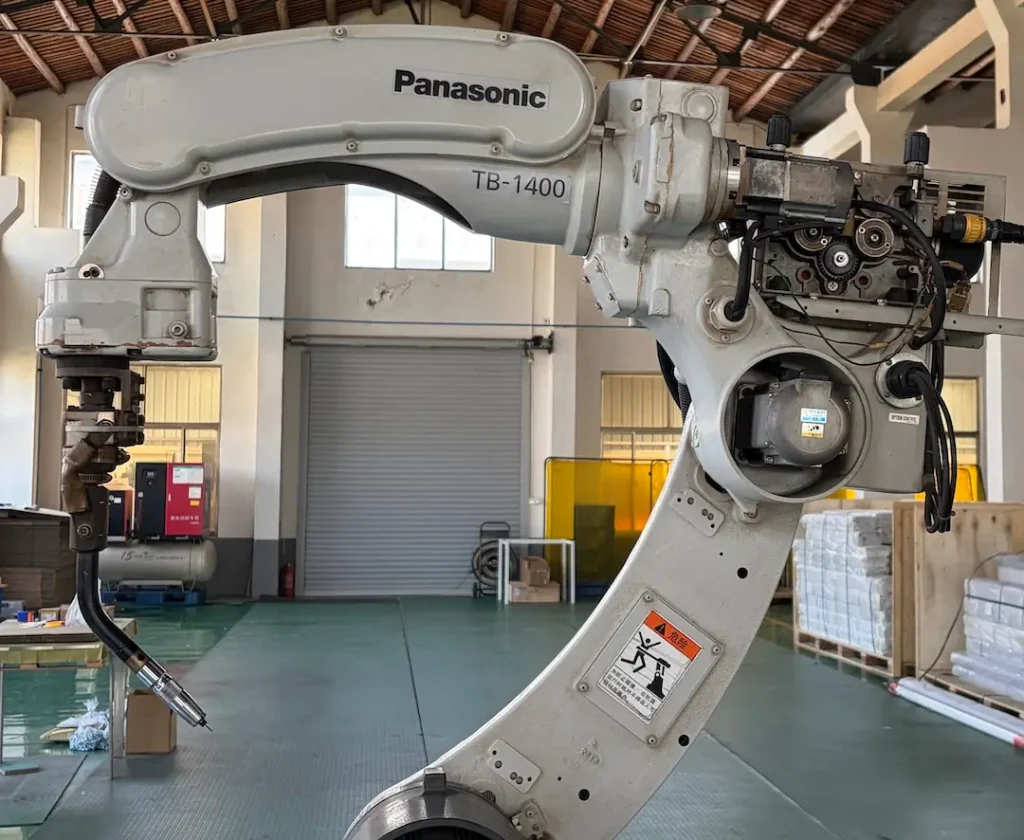
When your part needs lower heat input, a smaller weld seam, better visible appearance, or less deformation, laser welding may be a better process than conventional welding. When the part is thick, highly structural, or has large gaps, Wir können empfehlenAutomatisierte Roboterschweißdienste, MIG welding, or TIG welding instead.
Laser Beam Welding and Fiber Laser Welding Capabilities
Laser beam welding, often called LBW, uses concentrated laser energy to join metal parts. Fiber laser welding is widely used for stainless steel, Kohlenstoffstahl, Aluminium, and sheet metal assemblies because it can create a narrow weld seam with relatively low heat input.
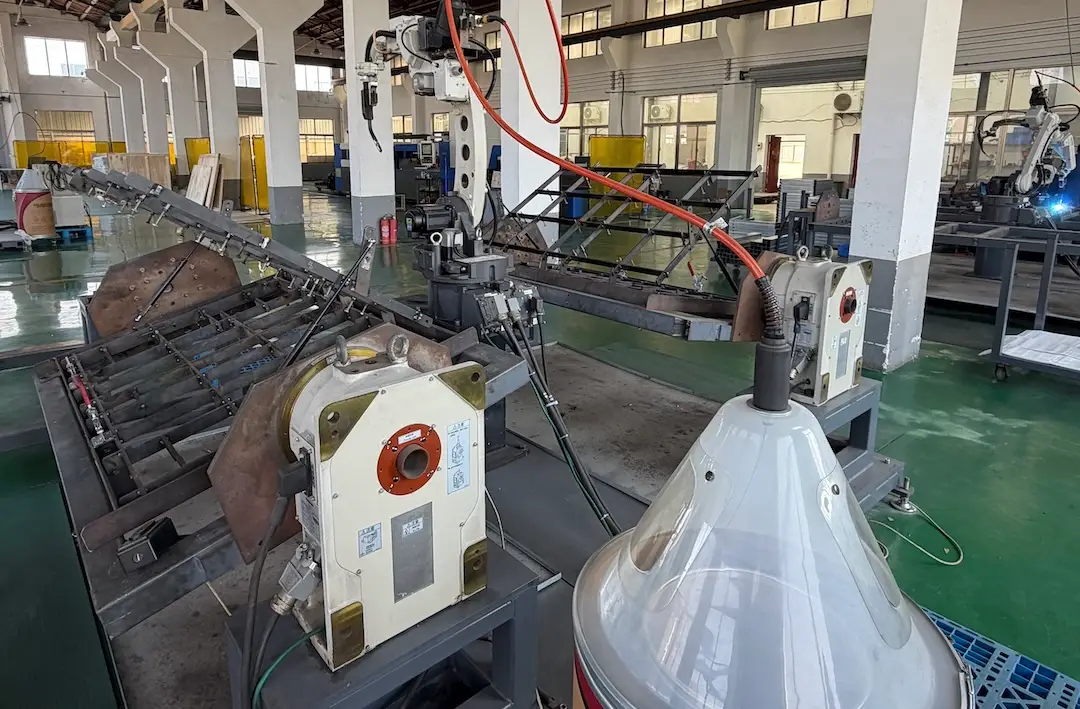
Able Hardware supports laser welding for prototype parts, small batches, and production orders. Depending on the geometry and production volume, we can use handheld laser welding, fixture-controlled laser welding, or automated welding support.
Fiber Laser Welding for Thin Sheet and Precision Parts
Fiber laser welding is suitable for thin sheet metal, formed parts, covers, Tafeln, Gehege, and visible components where heat control is important. It can help reduce burn-through risk when parameters, fit-up, and material thickness are controlled correctly.
For thin stainless steel or carbon steel parts, the process can produce clean seams and reduce the need for heavy grinding. For aluminum parts, we pay close attention to reflectivity, surface cleanliness, joint design, and heat control before confirming feasibility.
Laser Seam, Spot, Tack, Butt, and Lap Welding
Different joint designs need different laser welding methods. We can review butt joints, lap joints, corner joints, edge welds, Nahtschweißungen, spot welds, tack welds, tube joints, and sheet-to-plate connections.
Continuous laser seam welding is often used for enclosures, housings, covers, sealed seams, and clean visible joints. Laser tack welding may be used before final welding or as part of the assembly sequence. Laser spot welding may be suitable for selected thin sheet assemblies, depending on strength and appearance requirements.
Autogenous Laser Welding and Filler Wire Options
Some laser welded parts can be joined without filler wire. This is called autogenous laser welding. It can create a clean seam when the joint gap is small and the parts fit well.
For some joints, filler wire may be needed to improve gap bridging, Aussehen, or strength. We check this based on your material, joint type, Schweißlänge, Dicke, and functional requirements.
Materials We Laser Weld
Material behavior is an important factor in laser welding. The same joint design may perform differently with stainless steel, Kohlenstoffstahl, Aluminium, verzinkter Stahl, or coated materials. Able Hardware reviews material grade and surface condition during quotation to reduce welding risk.
Stainless Steel Laser Welding
Stainless steel laser welding is commonly used for visible panels, covers, cabinets, Gehege, Wachen, food-related components, commercial fixtures, and precision assemblies. Zu den gängigen Noten gehören: 304, 316, and 316L stainless steel.
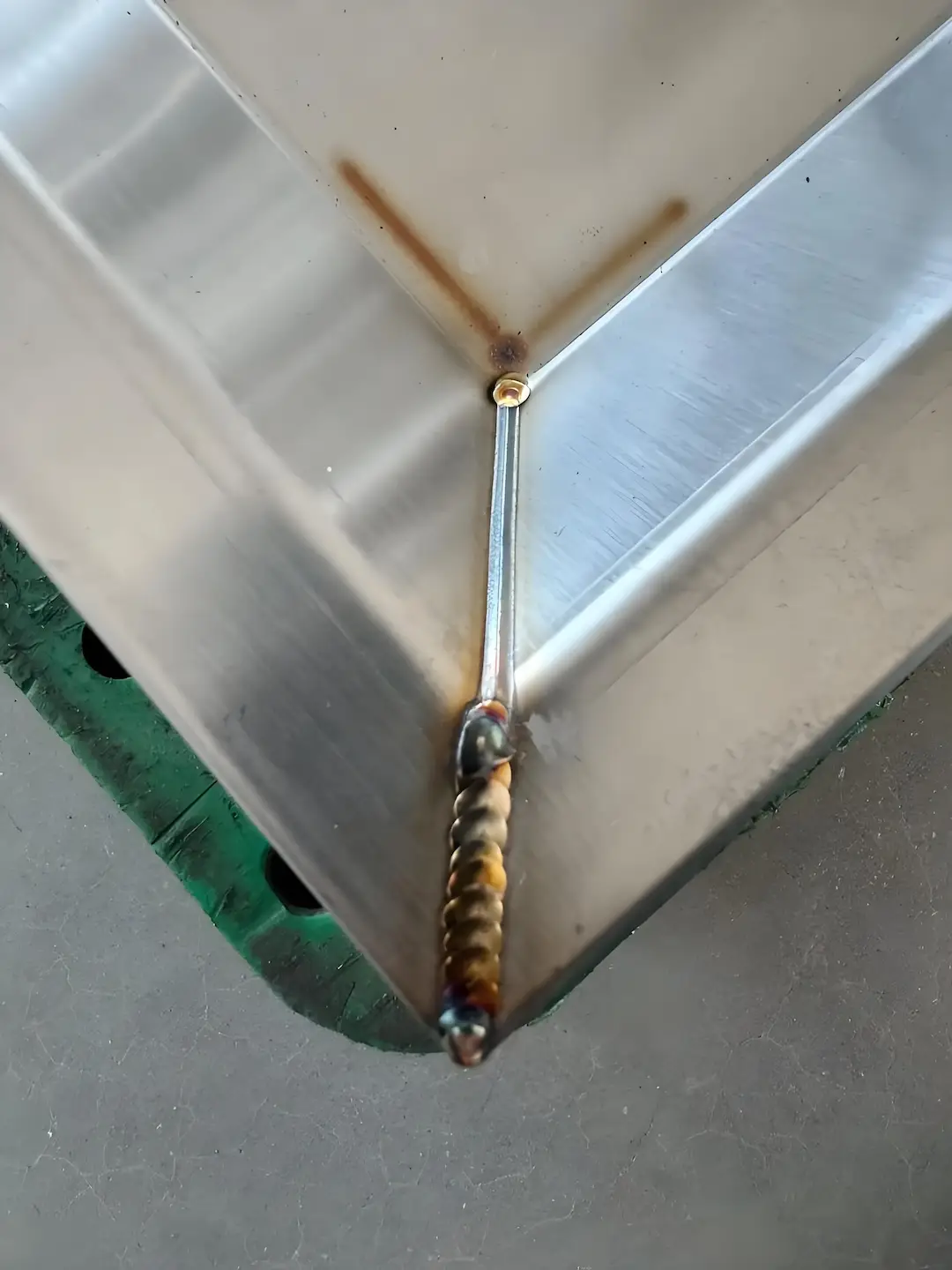
Laser welding can be useful when the part needs a clean weld appearance, reduced discoloration, and lower distortion. For stainless assemblies with stricter structural or cosmetic requirements, we may combine laser welding withSchweißdienstleistungen für Edelstahl and finishing support.
Aluminum Laser Welding
Aluminum requires careful process control because it reflects laser energy and conducts heat quickly. Common aluminum alloys may include 5052, 6061, and project-specific grades confirmed by drawing or BOM.
For aluminum housings, sheet metal covers, Klammern, or lightweight assemblies, we evaluate thickness, surface cleanliness, edge condition, joint gap, and fixture design before confirming laser welding feasibility. When the design is better suited to arc welding, we can supportKundenspezifische Aluminiumschweißdienste as an alternative.
Carbon Steel and Mild Steel Laser Welding
Carbon steel and mild steel laser welding can be used for sheet metal parts, Klammern, covers, light frames, equipment shells, and welded sub-assemblies. Common project materials may include Q235, Q355, S235, S355, and customer-specified grades.
For carbon steel assemblies, we also consider coating requirements such as powder coating, Zinkbeschichtung, e-coating, or painting. Welding sequence and heat input must be controlled to reduce deformation before finishing.
Galvanized Steel and Coated Materials
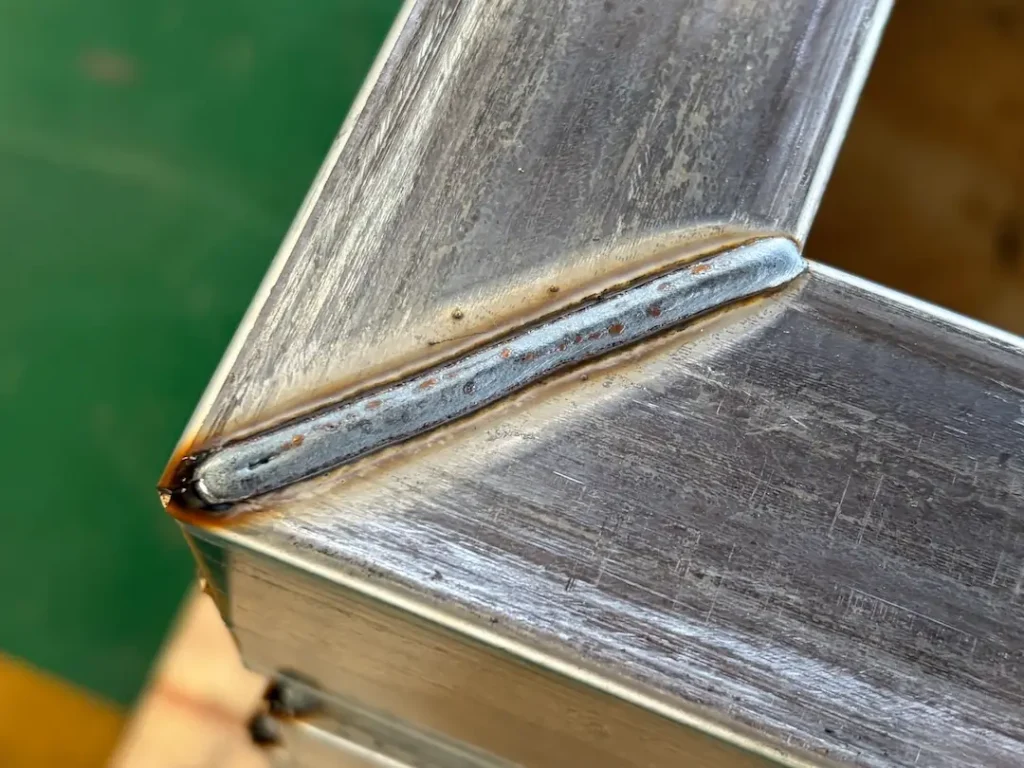
Galvanized steel and coated materials are project-dependent. Zinc coating and surface treatment can affect weld stability, Porosität, fumes, und Aussehen. Before quoting, we need to know the coating type, Dicke, joint area, appearance requirement, and whether the coating can be removed near the weld.
Workpieces and Assemblies We Support
Able Hardware offers laser welding for single parts, sub-assemblies, and complete welded assemblies. We can combine welding with cutting, biegen, Bearbeitung, Oberflächenveredelung, Inspektion, and export packing.
Sheet Metal Parts, Gehäuse, Abdeckungen, und Wachen
Laser welding is often a good fit for sheet metal parts where low distortion and clean seams matter. Typical products include stainless steel panels, electrical enclosures, equipment covers, Wachen, cabinets, battery housings, shells, and sealed seams.
For these parts, we review thickness, corner design, bend accuracy, joint gap, Oberflächenveredlung, and visible-side requirements. Good edge quality and stable fit-up are important for consistent laser welding.
Klammern, Housings, Schränke, and Equipment Shells
Many OEM assemblies include small brackets, reinforcement plates, mounting tabs, and formed housings. Laser welding can help join these components with a smaller weld bead and less heat input.
For cabinets and equipment shells, we focus on flatness, Quadratismus, hole position, assembly alignment, und Oberflächenqualität. If machining is required after welding, mit denen wir uns abstimmen könnenMetallbearbeitungsservice to control critical dimensions.
Tube Assemblies, Rahmen, and Structural Parts
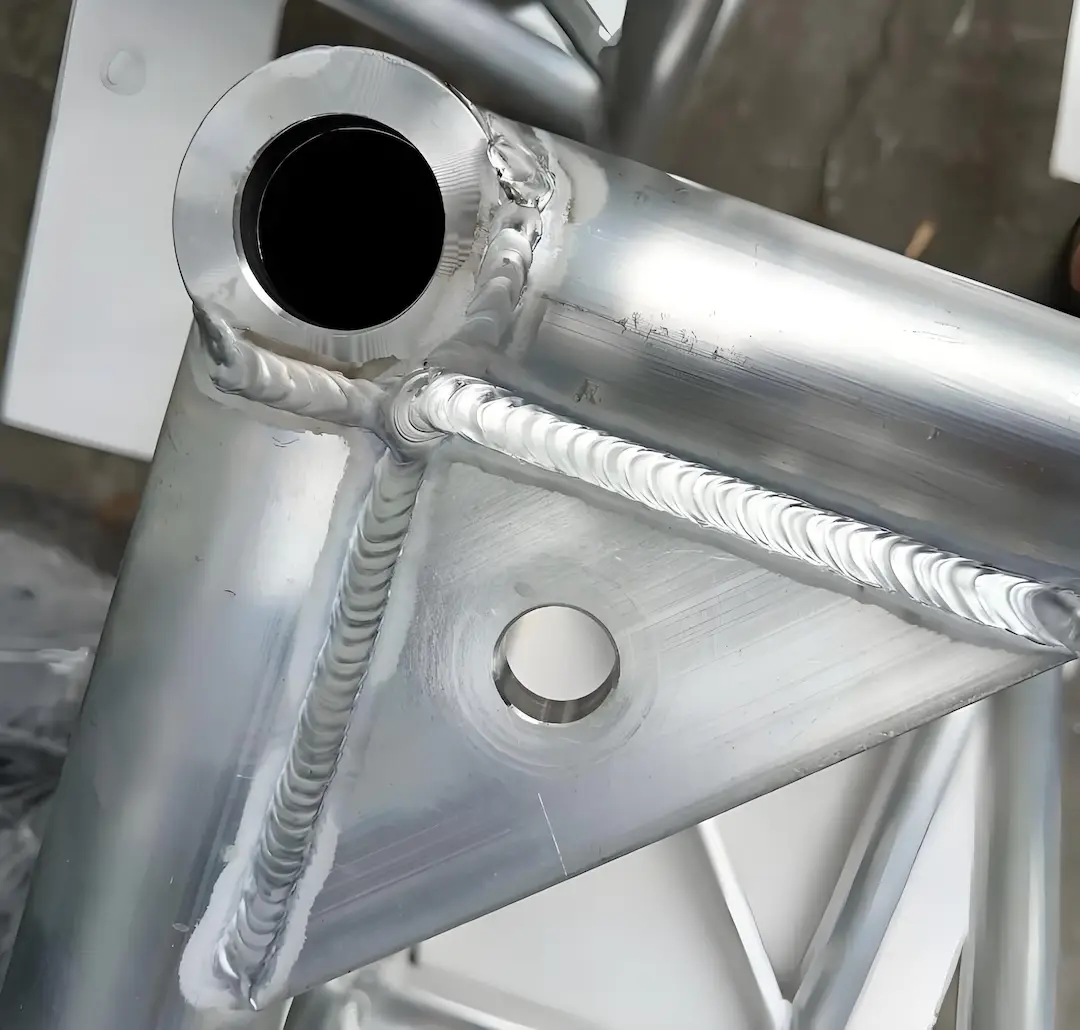
Laser welding can support selected tube assemblies and light frame structures, especially when the joint fit-up is stable and the weld requirement is suitable for laser processing. It may be used for tube-to-tube joints, tube-to-plate joints, Klammern, caster plates, and small frame modules.
For larger or load-bearing structures, laser welding is not always the best process. We can combine laser welding with robotic arc welding, WIG-Schweißen, or traditional fabrication methods forBenutzerdefinierte Metallschweißrahmen.
Trolley Frames, Platform Cart Parts, and Shelving Components
Laser welding may be used for selected trolley parts, platform cart brackets, sheet metal panels, tube accessories, and shelving components. For heavier cart frames, robotic MIG welding may be more suitable for strength and production efficiency.
Able Hardware supports OEM buyers forIndustriewagen projects andMetallregale Teile, einschließlich Schweißen, fixture control, Abschluss, Verpackung, and export shipment support.
Laser Welding Benefits for OEM Buyers
Laser welding is valuable when the part design and fit-up match the process. It is especially useful for precision parts, thin sheet metal, visible weld seams, and repeatable production assemblies.
Low Heat Input and Less Distortion
Laser welding uses concentrated heat, so the heat-affected zone is usually smaller than many traditional welding methods. This can help reduce deformation, especially for thin sheet metal, stainless steel panels, covers, and enclosures.
Lower distortion can also reduce correction work after welding. For buyers, this may help improve part consistency and reduce assembly problems during final installation.
Clean Weld Appearance
Laser welding can create a narrow and clean seam. For visible stainless steel parts, commercial fixtures, equipment shells, and housings, this can reduce grinding or polishing work in many cases.
Jedoch, final appearance still depends on material grade, joint design, surface cleanliness, shielding gas, fixture quality, and welding parameters. We confirm visible-surface requirements before production.
High Speed and Repeatable Quality
For suitable parts, laser welding can be faster than manual TIG welding. When fixtures and parameters are stable, the process can support repeatable weld quality for OEM batches.
Repeatability is especially important for parts with multiple welds, regular production demand, and strict assembly fit. Dedicated fixtures can help control alignment, gap, weld position, and distortion.
Good Fit for Prototype to Batch Production
Many OEM projects start with prototypes. Laser welding can help validate appearance, joint design, and dimensional behavior before tooling or production fixtures are finalized.
After sample approval, we can move to pilot runs and batch production. This workflow helps reduce risk before larger orders.
Important Design and Fit-Up Requirements
Laser welding is precise, but it is also sensitive to fit-up. A good laser weld starts with good part design, accurate cutting, clean surfaces, und stabile Befestigung.
Gap Tolerance Matters
Laser welding does not bridge large gaps as easily as some arc welding processes. If the gap is too large, there may be lack of fusion, inconsistent seam appearance, or reduced strength.
Before quotation, we review the joint type, edge condition, Dicke, welding position, and allowed gap. If the part design is not suitable, we suggest design improvements or another welding method.
Joint Design Affects Penetration
Penetration requirements must be clear. Some parts only need a cosmetic or partial penetration weld. Other parts need stronger joints, continuous seams, leak resistance, or specific functional performance.
Butt joints, lap joints, corner joints, edge joints, fillet welds, tube joints, and sealed seams all behave differently. We review drawings and samples to confirm a practical welding plan.
Surface Cleanliness Affects Weld Stability
Oil, Oxid, Überzug, malen, Staub, cutting residue, or moisture can affect laser welding. Aluminum and stainless steel parts are especially sensitive to surface condition.
We recommend clean cutting edges, controlled storage, and proper surface preparation before welding. For cosmetic parts, surface handling is also important to avoid scratches and visible marks.
Not Every Weld Should Be Laser Welded
Laser welding is not always the correct choice. Thick structural welds, large gaps, rough flame-cut parts, heavy impact structures, and some outdoor load-bearing frames may be better suited to MIG, WIG, or robotic arc welding.
Able Hardware can review your part and recommend the process that gives the best balance of strength, Aussehen, kosten, und Produktionsstabilität.
Fabrication Support Before and After Welding
A successful laser welding project often requires more than welding. Able Hardware can support cutting, biegen, Bearbeitung, fixture design, Montage, Abschluss, Inspektion, and export packing.
Laser Cutting and Edge Preparation
Accurate cutting improves weld fit-up. We can combine laser welding withLaserschneidservice for sheet metal, Teller, and tube components. Better edge quality helps reduce gap variation and improves weld consistency.
Fixture Design for Repeat Orders
For repeat production, fixtures are important. Fixtures help control part position, joint gap, Quadratismus, Ebenheit, and weld sequence. They also help reduce variation between operators and batches.
Depending on order volume and part complexity, we may use simple positioning fixtures, dedicated welding jigs, or production fixtures.
Bearbeitung, Montage, and Finishing
Some welded parts require machining after welding to control mounting holes, Schlüssel, threaded features, or precision surfaces. Some projects require assembly with brackets, Verbindungselemente, Rollen, Tafeln, or purchased components.
Surface finishing may include powder coating, Zinkbeschichtung, Polieren, brushing, Malerei, or other customer-specified finishes. We review finishing requirements early because welding heat and surface condition can affect final appearance.
Quality Control for Laser Welded Parts
Able Hardware provides export-readyQualitätskontrolle for laser welded parts and assemblies. Inspection requirements are confirmed according to your drawing, Bestellmenge, Anwendung, and customer standards.
Visuelle Inspektion
Visual inspection checks weld appearance, seam continuity, unterbieten, Porosität, burn-through, surface marks, Spritzer, discoloration, and obvious defects. For visible parts, we also check the cosmetic side according to approved samples or agreed acceptance criteria.
Maßprüfung
Dimensional inspection may include length, Breite, Höhe, hole position, Ebenheit, Quadratismus, bracket location, mounting distance, und Montagepassung. For fixture-controlled parts, first-article inspection helps confirm that the production setup is correct.
Penetration, Leak, and Strength Checks
Some parts may require penetration checks, leak tests, Pull-Tests, strength tests, or customer-specific inspection methods. These requirements should be confirmed before production because they may affect joint design, welding parameters, samples, und kosten.
QA Reports and Export Documentation
For export orders, we can provide inspection photos, first-article reports, final inspection records, packing photos, and project-specific documentation. The exact report format depends on buyer requirements.
RFQ Information Needed for Quotation
To quote accurately, please provide 2D drawings, STEP or 3D files, Materialnote, Dicke, Menge, Abschlussanforderung, appearance requirement, Schweißsymbole, annual demand, packing method, and delivery address or Incoterms.
If you do not have complete drawings, samples, Fotos, or simple sketches can help us start the feasibility review. For new parts, we may suggest a prototype or sample run before batch production.
Laser Welding Price and Cost Drivers
Laser welding price depends on material, Dicke, joint type, Schweißlänge, fit-up quality, fixture needs, production quantity, appearance standard, inspection requirement, finishing process, and packing method.
Small prototype orders usually have higher unit cost because programming, fixture setup, material preparation, and sample inspection are spread over fewer parts. Batch production can reduce unit cost when fixtures, welding parameters, and inspection methods are stable.
For wholesale buyers and OEM manufacturers, the lowest practical cost normally comes from stable drawings, repeat orders, optimized joint design, suitable material selection, and efficient packing.
Warum sich für leistungsfähige Hardware entscheiden
Able Hardware is a Suzhou, Jiangsu, China-based factory supporting custom laser welding services for OEM metal parts, Rahmen, sheet metal components, and welded assemblies. We understand that international buyers need more than a clean weld. They need stable communication, clear feasibility review, repeatable production, reliable inspection, and export-ready packing.
Our team can help review drawings, improve manufacturability, select the correct welding method, build samples, support pilot runs, and manage batch production. Whether your project needs stainless steel laser welding, aluminum laser welding, carbon steel sheet welding, precision enclosures, trolley components, shelving parts, or welded frames, we can support the project from RFQ to shipment.
Fordern Sie ein Angebot an
Mehr Roboterschweißdienste :