
Table of Contents
What Is Electron Beam Welding (EBW) and Why It Matters
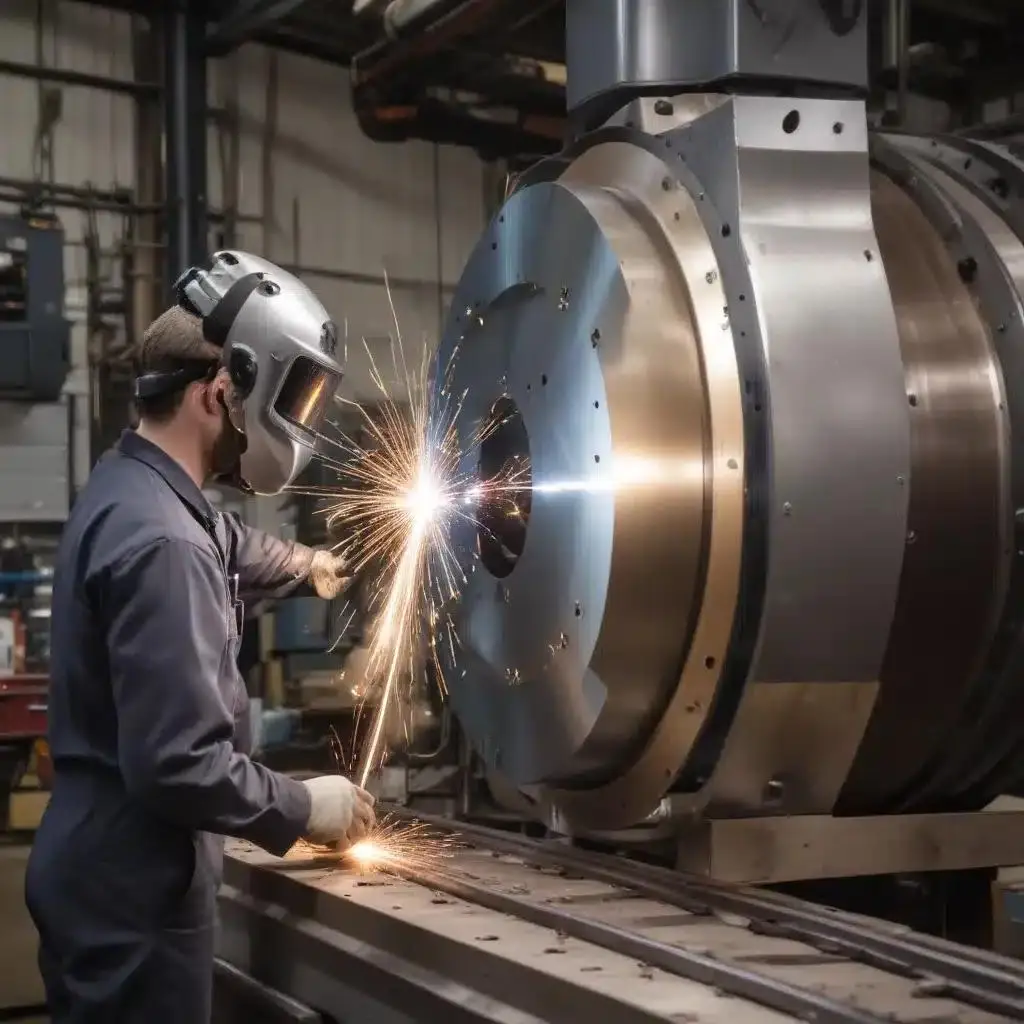
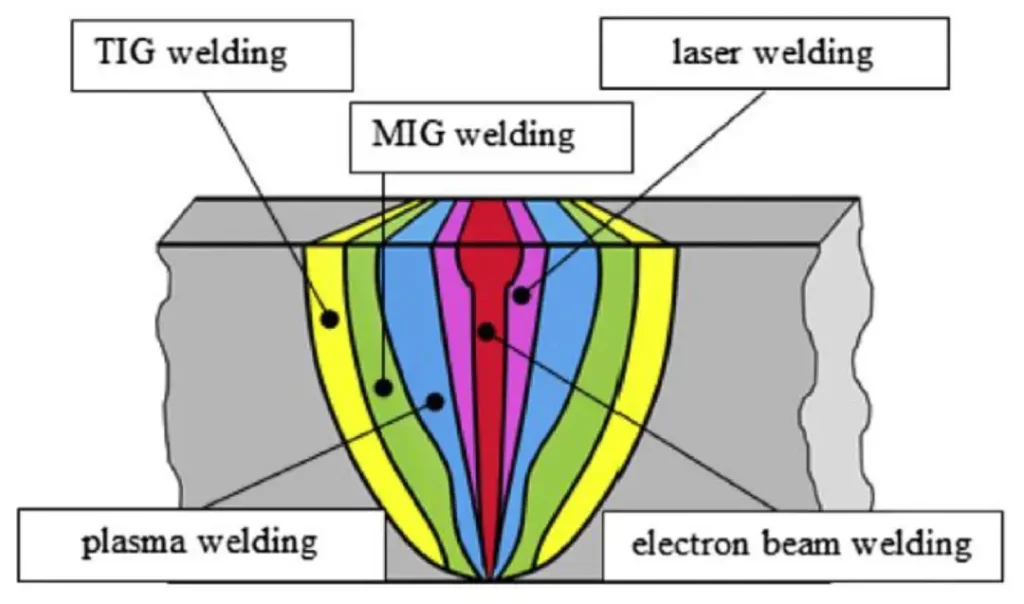
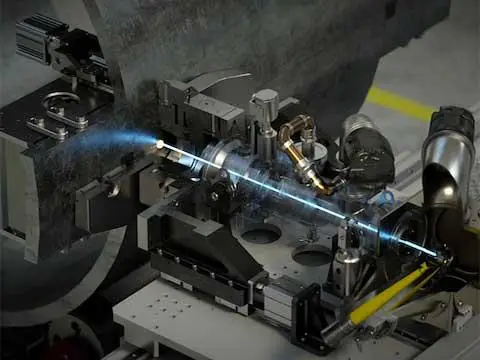
Electron Beam Welding (EBW) is a high-energy-density welding process performed in a vacuum environment. A focused beam of high-velocity electrons generates intense heat upon impact, producing deep penetration welds with minimal distortion.
For OEM buyers, EBW is not just another welding option—it is a solution for critical, high-value components where conventional methods like MIG or TIG cannot meet requirements.
Key advantages:
- Deep penetration in a single pass
- Extremely narrow weld seams
- Minimal heat-affected zone (HAZ)
- Low distortion for precision assemblies
- Ability to weld difficult and dissimilar metals
However, EBW is typically used for high-value, high-precision applications due to equipment cost and process complexity.
Aerospace & Aviation: Critical Structural and Engine Components
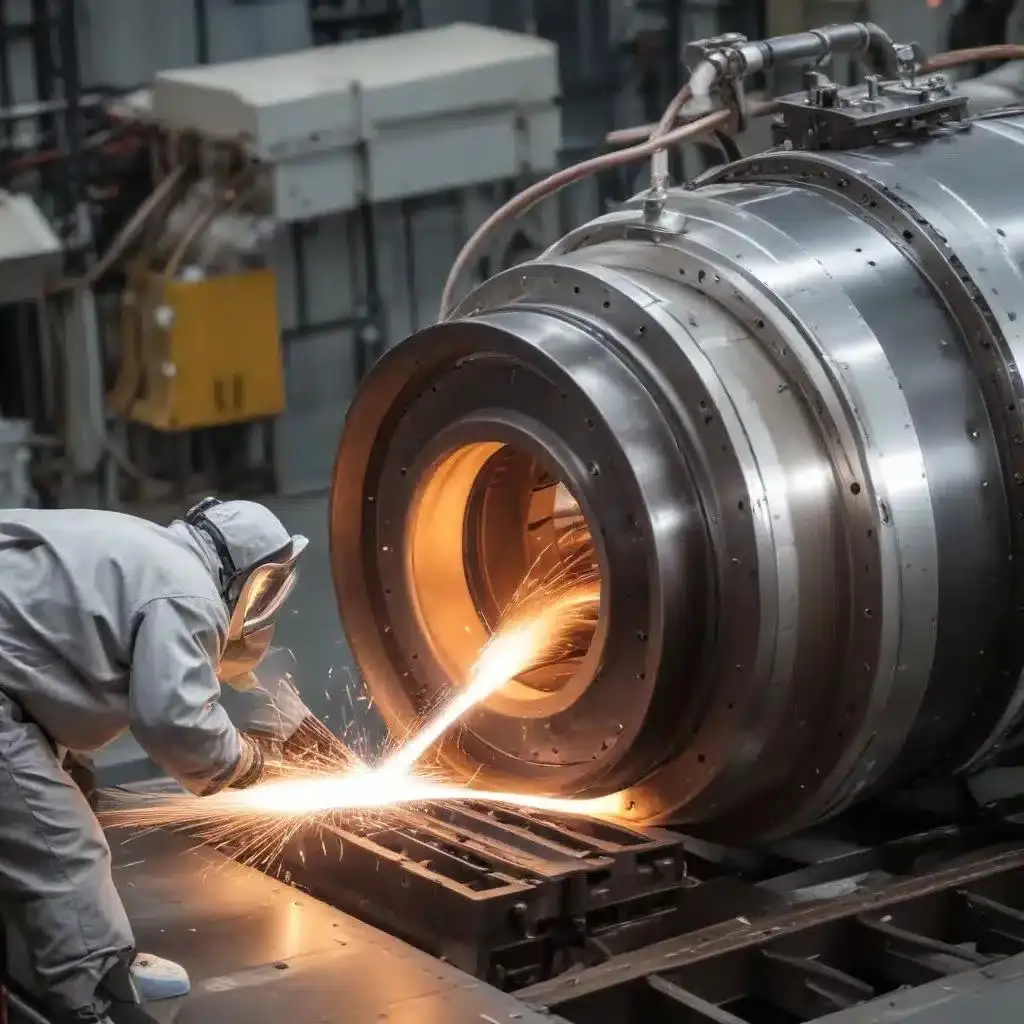
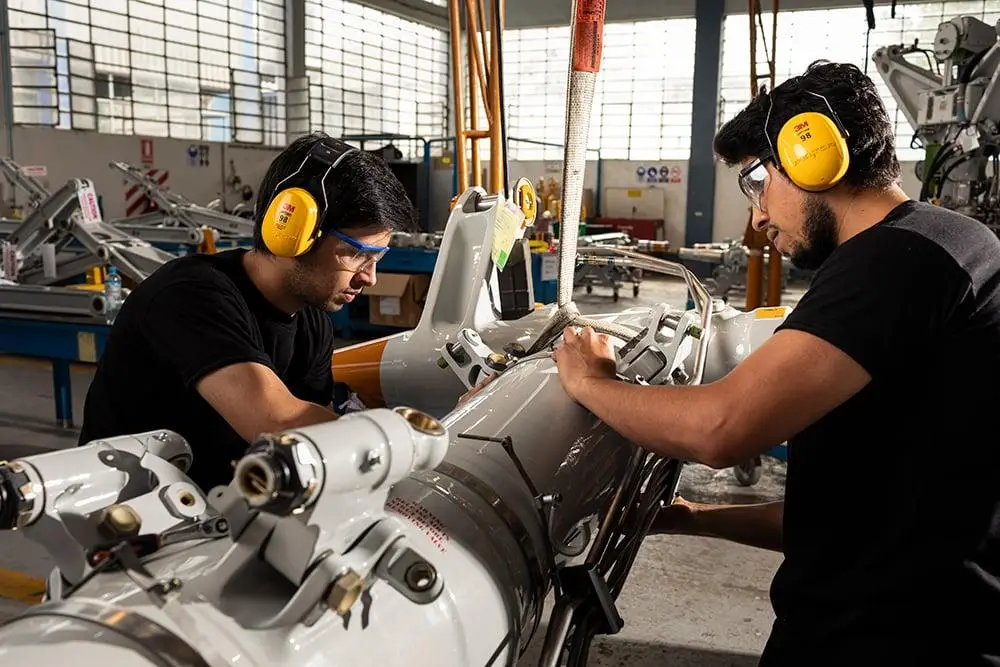
The aerospace industry remains the most important application field for EBW.
Typical Components
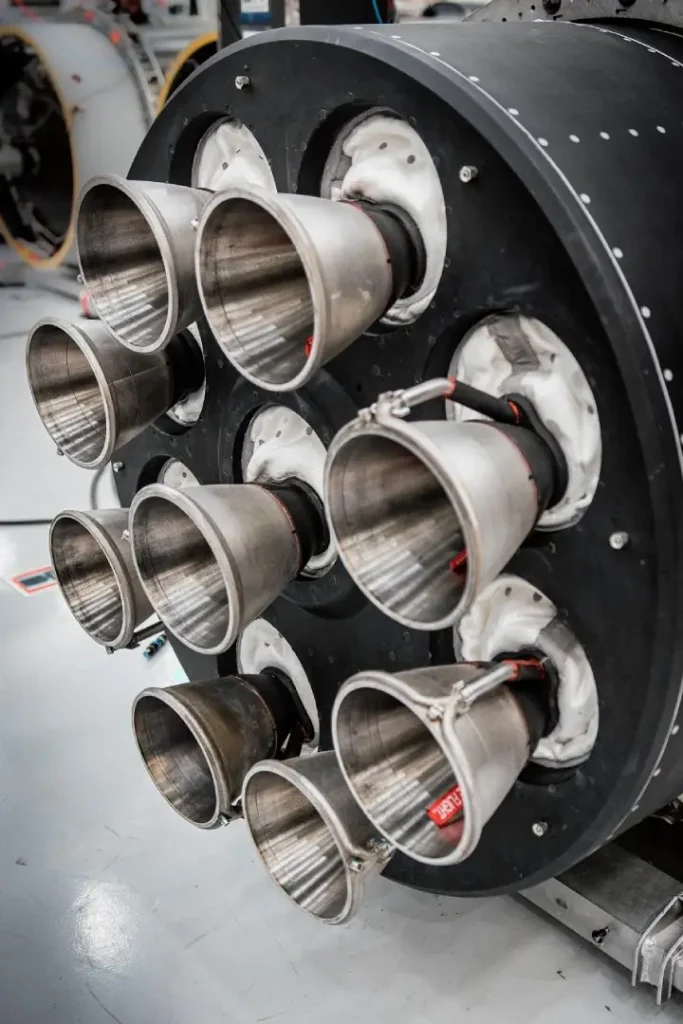
- Rocket engine nozzles
- Turbine rotors and turbine discs
- Titanium fan blades and aerofoils
- Aircraft engine casings and shafts
- Landing gear structures
- Honeycomb sandwich panels
Why EBW Is Used
- High-strength joints for safety-critical parts
- Low distortion for precision alignment
- Capability to weld titanium and superalloys
- Reliable performance under extreme temperatures
Modern developments include:
- Reusable rocket components
- Satellite structural parts
- Aerospace MRO (repair and refurbishment)
Energy & Nuclear Industry: Hermetic Sealing and High Reliability
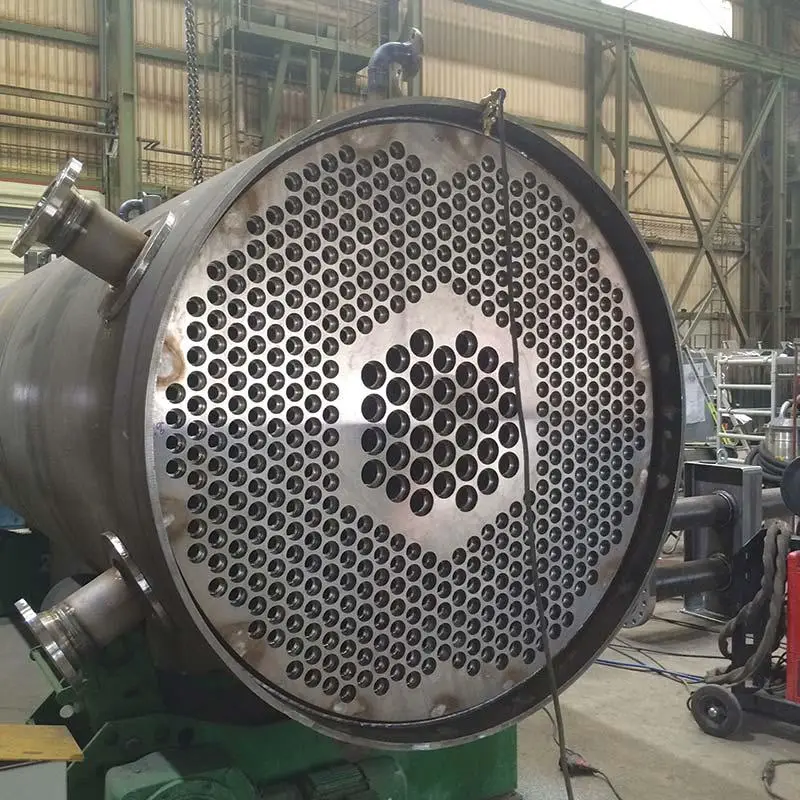
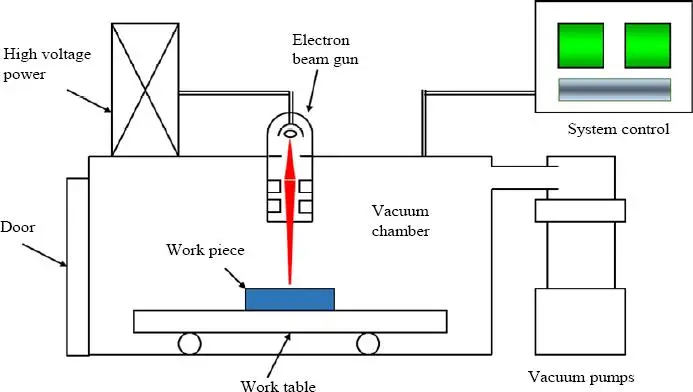
EBW is widely used in energy systems where leak-free sealing and long service life are essential.
Typical Applications
- Nuclear fuel rods and fuel tubes
- Reactor heat exchanger tubes
- Thermocouple and sensor sealing
- Pressure vessels and spherical containers
- Bimetal pipes (e.g., niobium–stainless steel)
Industry Trends
- Small modular reactors (SMR)
- High-temperature energy systems
- Advanced heat transfer equipment
EBW ensures:
- Zero-leak welds
- Stable metallurgical structure
- Long-term durability under harsh environments
New Energy & Battery Systems: Fastest Growing Segment
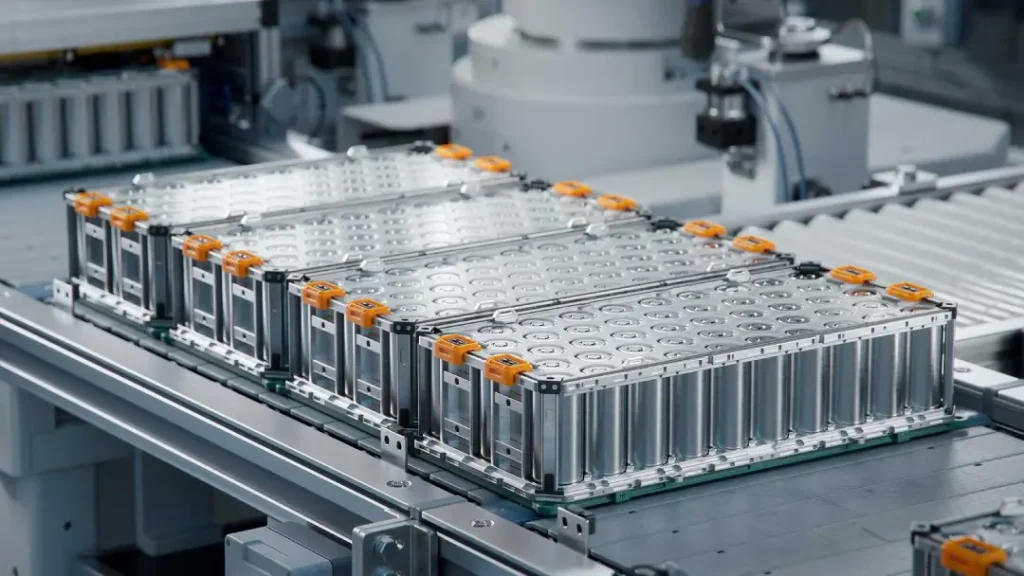
With the rapid growth of EV and energy storage industries, EBW is expanding into new applications.
Typical Applications
- Battery case sealing (aluminum/stainless steel)
- Battery tab connections
- Fuel cell bipolar plates
- High-speed motor rotors
- Generator and alternator components
Why EBW Is Critical
- Hermetic sealing for battery safety
- Minimal distortion in thin-wall structures
- High repeatability for precision assemblies
This sector is expected to be one of the largest growth drivers for EBW in the coming decade.
Automotive & Heavy Equipment: Precision Transmission Components
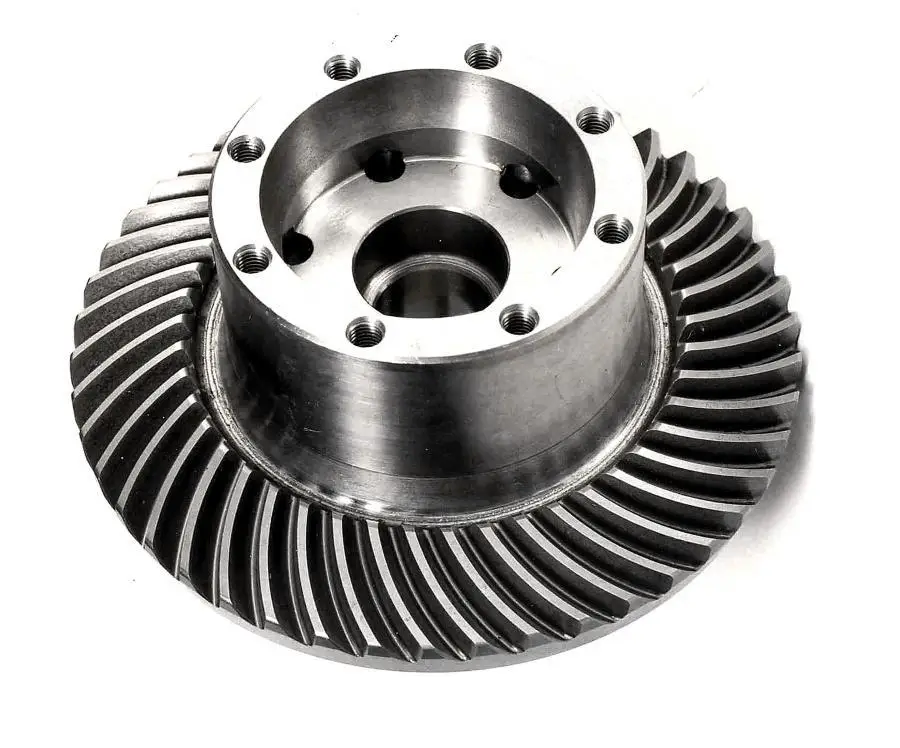
EBW is increasingly used in high-performance automotive and heavy-duty machinery.
Typical Components
- Gear assemblies (tower gears, helical gears, small gears)
- Drive shafts and sleeves
- Torque converters (trucks and bulldozers)
- Hydraulic shafts
- Automatic transmission components
Benefits
- Improved concentricity and balance
- Reduced machining cost (compared to solid parts)
- Enhanced fatigue strength
For OEM buyers, EBW enables design optimization and cost reduction in complex assemblies.
Bearings & High-Hardness Components
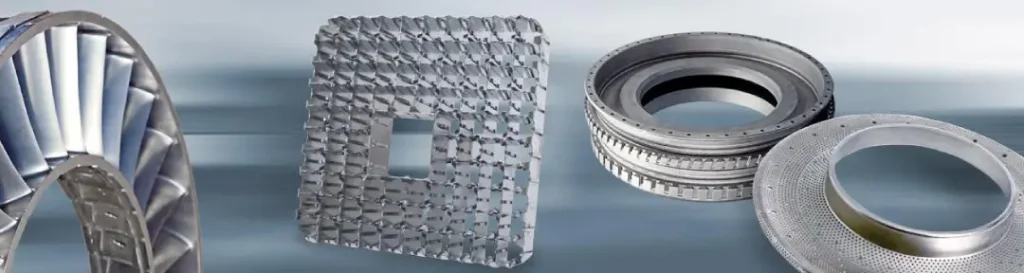
EBW is suitable for welding high-carbon and hardened steels, which are difficult for conventional processes.
Typical Applications
- Hollow bearings (AISI 52100 steel)
- Roller bearings
- High-speed spindle components
- Precision machine tool bearings
Key Advantages
- Minimal distortion
- Preservation of material properties
- High precision after welding
Electronics & Precision Devices: Micro Welding & Hermetic Packaging
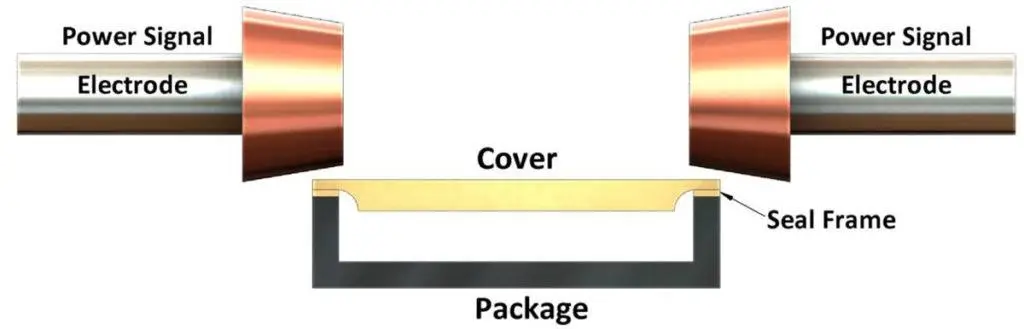
EBW plays a key role in micro-scale and high-reliability electronic components.
Typical Applications
- Micro relays and miniature switches
- Pressure sensors and diaphragm capsules
- Gyroscopes and infrared detectors
- Computer spring components
- Hermetic electronic packages
Why EBW Works
- Extremely precise heat input
- No contamination (vacuum process)
- Excellent sealing performance
Industrial Machinery & General Engineering
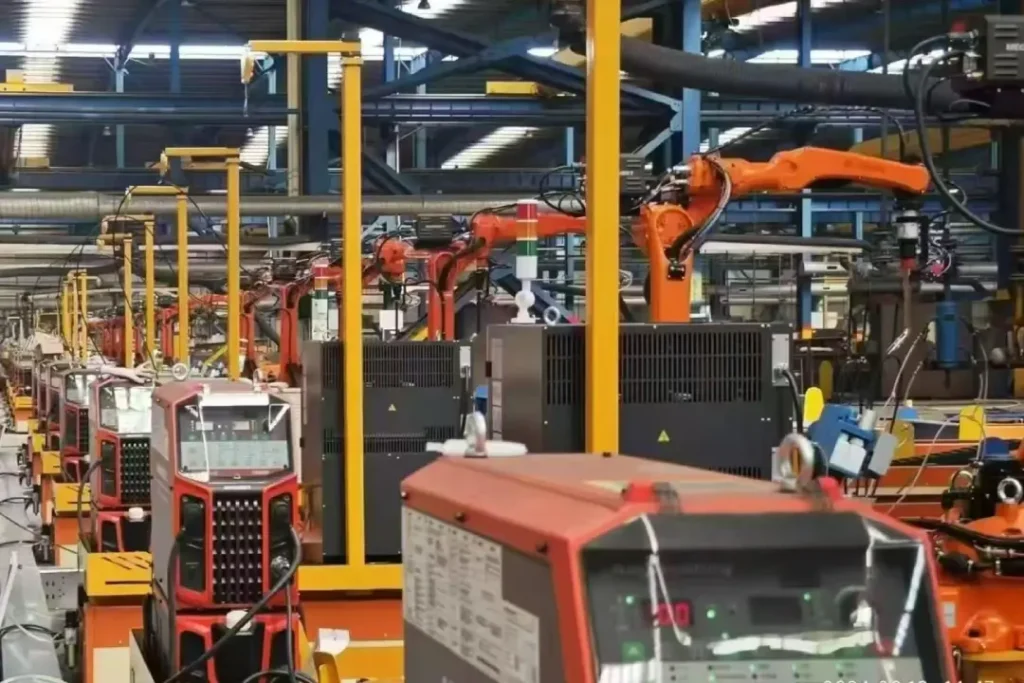
Beyond high-tech industries, EBW is also used in selected industrial applications.
Typical Components
- Conveyor system parts
- Hydraulic components
- Mechanical linkages
- Heavy-duty chains and connectors
- Automatic transmission assemblies
Dissimilar Metals & Advanced Materials
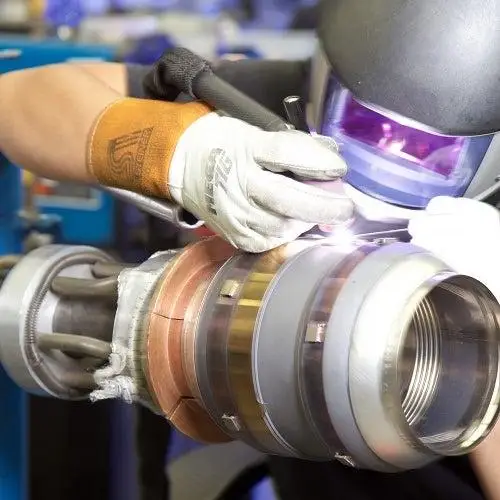
One of EBW’s most important advantages is its ability to weld dissimilar materials.
Typical Combinations
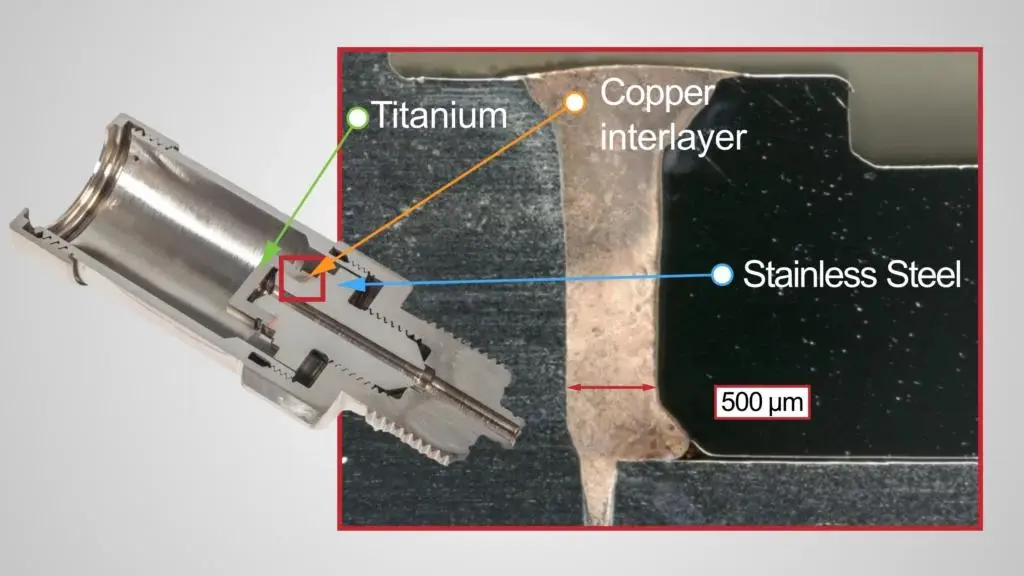
- Titanium to stainless steel
- Niobium to steel
- Nickel alloys to carbon steel
- Copper to stainless steel
This enables:
- Advanced engineering designs
- Lightweight + strength combinations
- Multi-material assemblies
EBW vs Other Welding Processes: When to Choose It
EBW is not a universal solution. Choosing the right process is critical.
| Process | Best For | Limitations |
|---|---|---|
| MIG Welding | General fabrication, cost efficiency | Lower precision |
| TIG Welding | Thin materials, cosmetic welds | Low productivity |
| Laser Welding | Automation and flexibility | Limited penetration depth |
| Electron Beam Welding | High precision, deep welds, critical parts | High cost, vacuum required |
👉 EBW is ideal for:
- High-value components
- Precision assemblies
- Hermetic sealing
- Difficult materials
Conclusion: High-Value Welding for Advanced Manufacturing
Electron Beam Welding continues to expand from traditional aerospace and nuclear applications into new energy, electronics, and precision engineering sectors.
Its unique combination of:
- Deep penetration
- Minimal distortion
- High precision
- Excellent sealing performance
makes it indispensable for critical components where quality cannot be compromised.
However, due to its cost and complexity, EBW is best suited for:
- High-value products
- Low to medium production volumes
- Technically demanding applications
For most industrial fabrication, processes like MIG or TIG remain more economical—but for advanced engineering, EBW delivers unmatched performance.
About Our Manufacturing Capability
As a Suzhou, Jiangsu, China-based OEM/ODM manufacturer specializing in welding and metal fabrication, located in one of the world’s leading industrial hubs. Able Hardware supports B2B buyers with:
- Custom-welded metal frames and assemblies
- Precision fabrication and export-ready QA
- Process selection support (MIG, TIG, Laser, EBW advisory)
- Prototype to batch production
For projects requiring high precision, sealing, or advanced materials, we help evaluate the most suitable welding solution for your application.